
Easy Apple Basket Directed Drawing for Kids: How to Draw a Basket of Apples
Learn how to teach an easy apple basket drawing using layering. Includes step-by-step video and printable PDF for your elementary art room.

More How to Draw
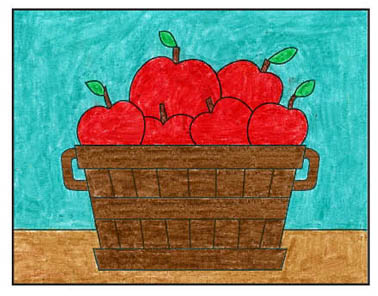
Apple Basket Drawing Art Lesson

Why this lesson is relevant and easy for the elementary classroom
Teaching your students how to draw an apple basket is the perfect way to introduce layering and overlapping — two foundational drawing skills that help young artists create more realistic artwork.
The apples are drawn on top of each other, so students begin to understand how objects relate in space. It’s a simple but powerful concept that lays the groundwork for observational drawing later on.
This lesson breaks everything down into easy steps that are clear and achievable, even for your most hesitant learners. Plus, it’s totally beginner-friendly — you don’t need to be a skilled artist to model this drawing or guide your students through it.
If you’re planning fall-themed art projects, this one ties in beautifully with apples, harvest, and even science lessons on fruits or plants.
It’s ideal for K–3 classrooms, but easy to scale up or down depending on the skills of your students.
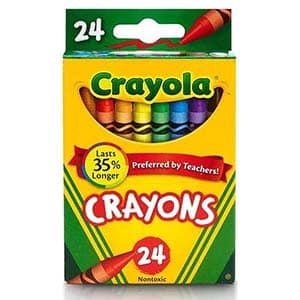
All you need are basic materials—pencils, paper, markers, and crayons—so prep is minimal and budget-friendly. By the end, students feel successful because they’ve made something that looks like a real basket of apples—and you’ll feel great for teaching a lesson that builds confidence and creativity.
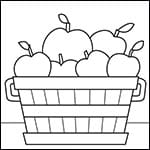
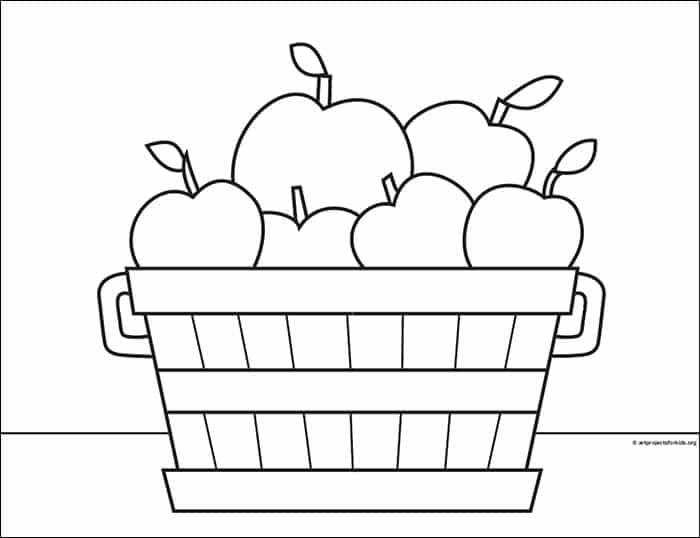
Bushel of Apples Coloring Page
Famous Still Lifes: Apples in Art History
Apples have shown up in art for centuries, especially in a style called still life, where artists arrange everyday objects to practice their drawing and painting skills.
French artist Paul Cézanne is famous for painting apples—he believed that even simple objects could help artists explore complex ideas like shape, form, and perspective.
In many of his still lifes, the apples look rounded and full, with overlapping shapes and shadows—just like students begin to explore in this project.
Cézanne often painted apples arranged on tables, sometimes with cloth or bowls, using bold brushstrokes and color to bring them to life. One of his most well-known works, Apples and Oranges (around 1899), is a great example.
Artists like Henri Matisse and Claude Monet also painted apples, using color and light to turn everyday fruit into expressive, meaningful art.
Still life drawing is a powerful way to help young students look closely, notice details, and start thinking like artists—even when they’re just drawing a basket of apples.
Use Button below to Grab a PDF Tutorial
Materials

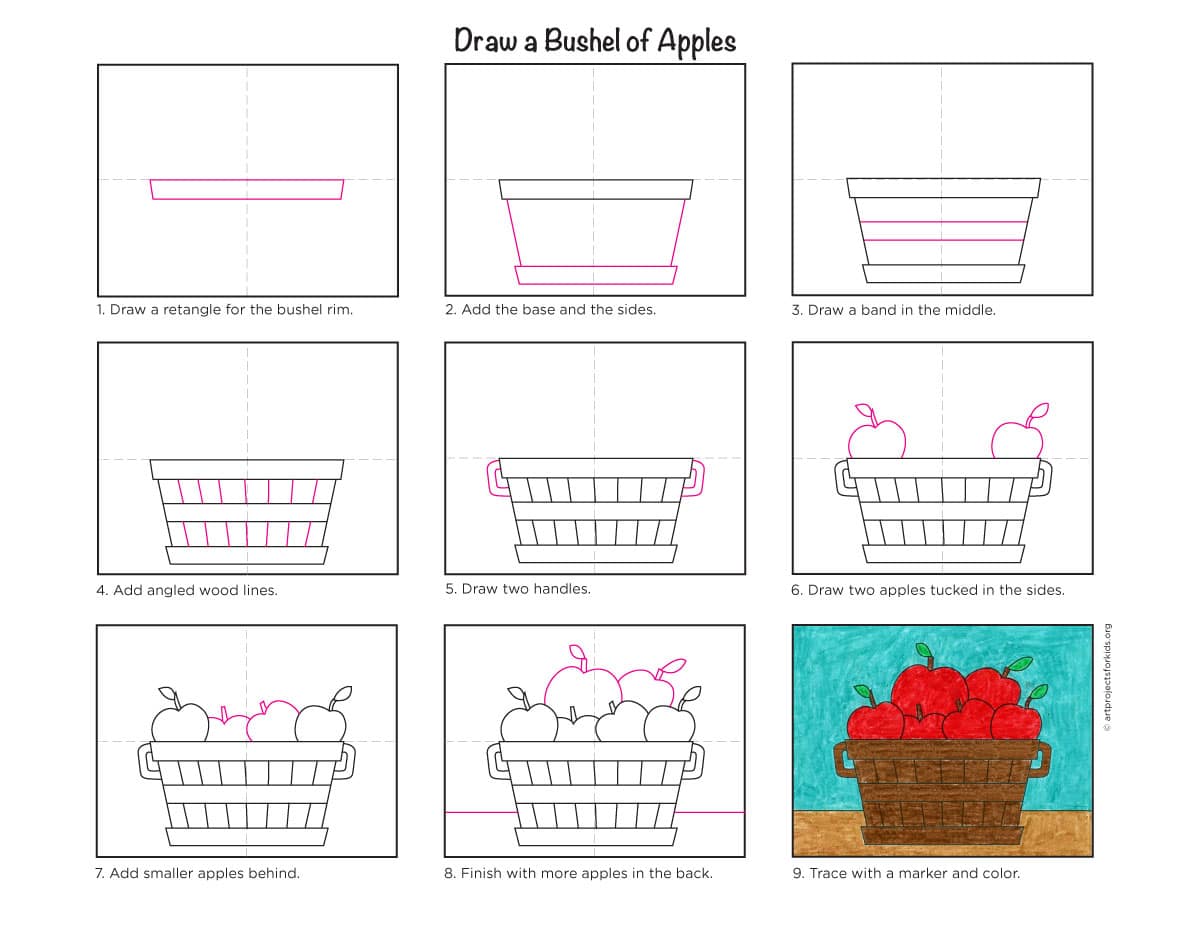
Step by Step Directions
Time needed: 45 minutes
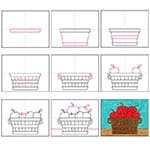
How to Draw a Bushel of Apples
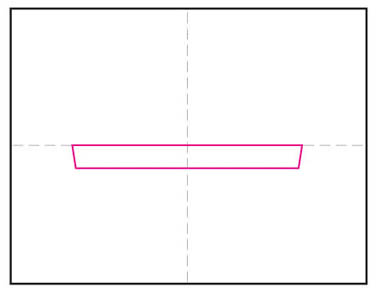
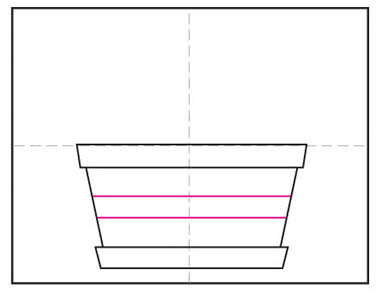
- Draw a rectangle for the bushel rim.

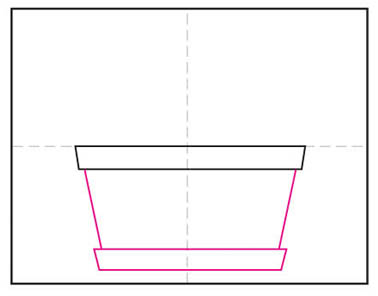
- Add the base and the sides.
- Draw a band in the middle.
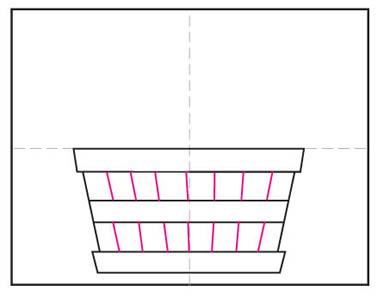
- Add angled wood lines.
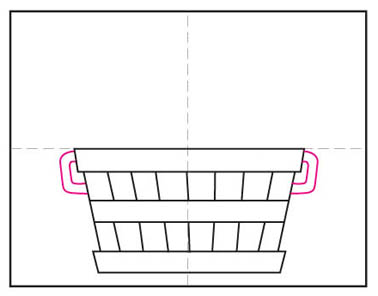
- Draw two handles.
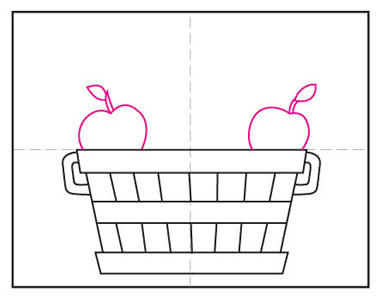
- Draw two apples tucked in the sides.
- Add smaller apples behind.
- Finish with more apples in the back.
- Trace with marker and color.



This is a really easy and fun art project for beginners!
Thank you!